ENEnglish
 LTLietuviškai
 DEDeutsch
 FRFrançais
 RUРусский
 ESEspañol
 PLPolski
 ITItaliano
 UKУкраїнська
 CSČeština
 PTPortuguês
 JA日本語
 LVLatviešu valoda
 ETEesti
 HUMagyar
 IDBahasa Indonesia
 TRTürkçe
 HIहिन्दी
 ELΕλληνικά
 ARالعربية
 THไทย
 VITiếng Việt
 RORomână
 MSBahasa Melayu
 BNবাংলা
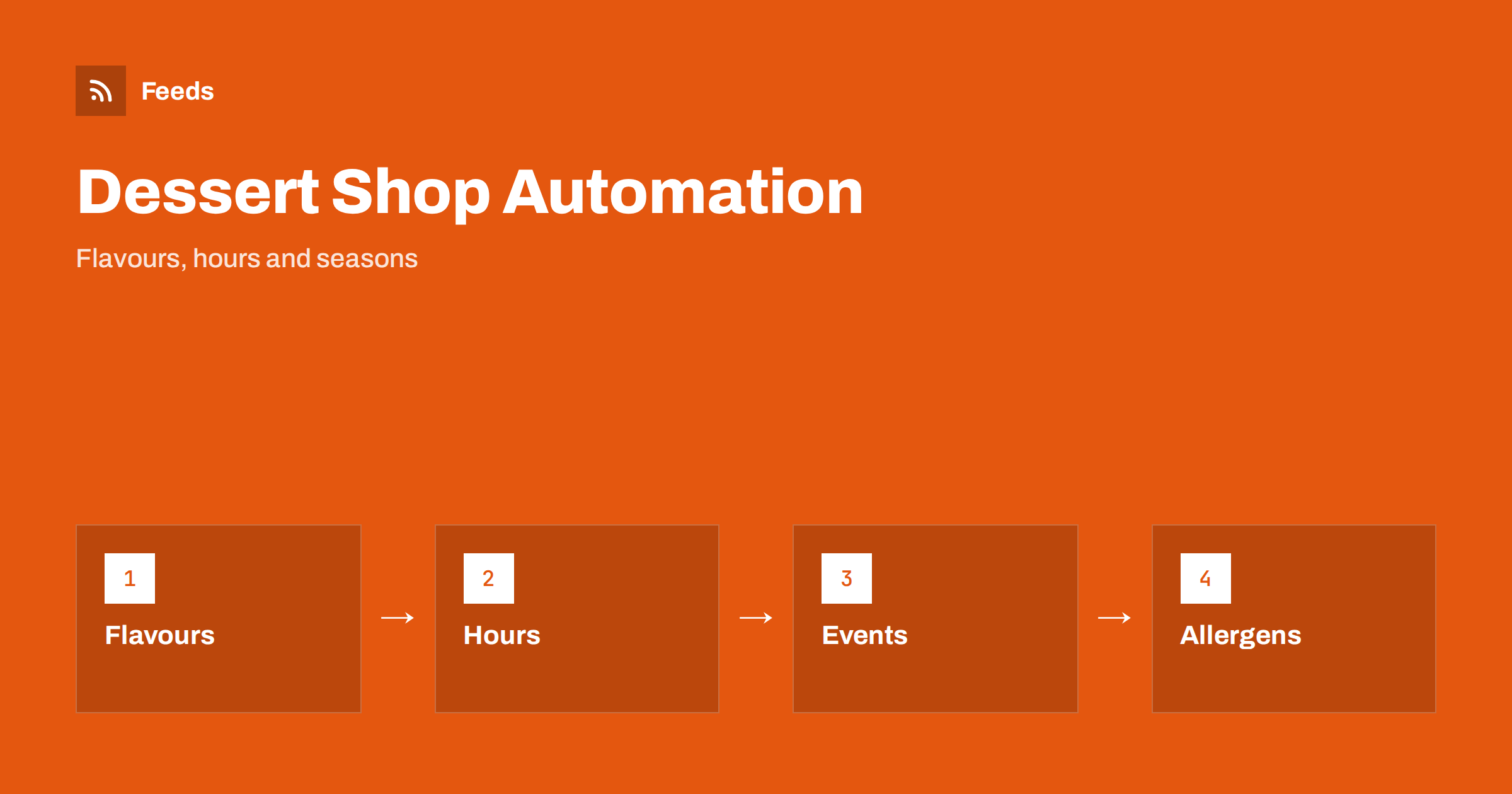
Short answer: Ice cream parlours and dessert shops live by the seasons, the weather and the mood of the street, so their posts should be light, visual and timely. Prepare flavour announcements, opening-hour reminders, event posts and seasonal themes in advance and schedule them, and collect local events with RSS. Keep weather-driven changes, allergen information for a specific question and customer complaints in human hands.
Think about who reads your posts: families, students, tourists, office workers on a lunch break and delivery customers. Each group wants something different, such as family deals at weekends, student offers on quiet afternoons and quick takeaway menus for office workers. One prepared post for each group, rotated through the month, keeps the page varied without extra work.
What a dessert shop needs to say
People decide on a treat in seconds. They look at photos, check whether the shop is open and compare flavours. A parlour with fresh, clear posts is a safe choice. One with a page that has been silent since last summer raises doubts about whether it is open at all. Regular content tells customers that the shop is alive.
The owner is often at the counter or in the kitchen, with no time to write posts. Scheduling saves the day: a few hours of preparation can cover weeks. If you are new to the idea, what is content automation explains it plainly, and content automation for cafes, bakeries and food trucks shows a close relative of this plan.
Add a short story to the flavour when you can. Where did the fruit come from? Who suggested the idea? Customers love the human side of a recipe, and a good story is shared more often than a plain photo. Keep a list of past flavours and bring the most popular back as a vote or a request, which costs nothing and creates conversation.
Flavour news and the menu
The flavour list is your main story. Announce new flavours, seasonal returns, limited batches and collaborations with a clear photo and one line about the taste. Prepare a template: photo, name, two or three taste words and a note on where and when it is available. A flavour of the month is a simple series that repeats every four weeks.
Keep a standing menu page on your website with current flavours and prices, and link to it from posts. When you remove a flavour, update the page the same day. A post that advertises a flavour which has run out leads to disappointed customers, so schedule flavour posts close to the date and check them before they go out.
Make sure your hours are the same on your website, your social pages, your maps listing and the door sign. Mismatches are a common cause of wasted trips and bad reviews. Whenever hours change, update every place on the same day and note it in a checklist.
Opening hours and seasonal changes
Hours change with the season, the weather and local events. Publish a clear schedule at the start of each season and repeat it in a short post every few weeks. Keep the same wording and layout, so customers recognise the post. Schedule the reminder for the start of summer hours, the autumn change and the winter break.
Daily changes belong to a human. If a storm closes the shop or the day is too cold for visitors, post a short message by hand. Prepared posts can be wrong on those days, so keep a way to pause the queue, as explained in when to pause automated posting.
Collect feedback after events. A short thank-you with a photo and a link to a feedback form brings ideas for the next one, and the answers often reveal what to post about. Make sure that you have permission before you publish pictures of private parties.
Events, tastings and parties
Many parlours host birthday parties, school visits, tastings and collaborations with local businesses. Treat each as a small campaign: an announcement, a reminder, a photo report and a thank-you. Prepare the structure once and reuse it. For private parties, explain the booking steps, group sizes, prices and deposit rules on a single page.
Local events create traffic. Fairs, concerts, sports matches and market days bring crowds. Councils and event organizers publish calendars, and turning them into feeds helps you plan stock and staff. How to promote an event calendar automatically and turn event calendars into RSS feeds you can follow show how.
Keep a printed copy of the allergen chart at the counter and a digital copy on your website, and date both. When a supplier changes an ingredient, update the chart before the new batch is sold. Staff should know where the chart is and how to explain it politely, without guessing.
Allergens, ingredients and trust
Allergens matter more in desserts than almost anywhere. Milk, eggs, nuts, gluten and soy are common, and cross-contact can happen in a shared kitchen. Publish a clear allergen chart that matches your recipes and update it when a recipe or supplier changes. Train staff to answer questions and to avoid guessing.
Social posts should not make allergen promises unless you are sure. Do not say “nut free” if nuts are used in the kitchen. If a customer asks a question about a specific flavour, answer personally and accurately, or send them to the chart. Trust is built by honesty and lost by a single mistake.
Plan the content around weather. Prepare a set of hot-day posts and a set of cool-day posts, and choose the right one on the morning itself. This is the one place where a quick human decision beats a long schedule, and it takes a minute.
Photos, video and consent
Dessert is made for photos. Take pictures in good light, show the product at its best and keep a folder of approved images by month. Short videos of scooping, dipping and decorating attract attention. Keep your style consistent so that your page looks like one brand.
When customers appear in photos, ask for permission, especially for children. Credit customers who share their own pictures, and ask before reposting. Avoid any image that shows unsafe food handling. The care you show in photos is read as care in the kitchen.
Measure what works. Note which posts led to visits, orders or questions, and repeat the formats that did. After a season, you will know which flavours, photos and times produce results, and you can make next year’s plan with confidence.
Local partners and collections
Partners can widen your audience: cafes, hotels, event venues, gyms, schools and local producers. Share their news with a short comment, and invite them to share yours. A seasonal collaboration, such as a flavour made with a local fruit grower, is a story that people like to repeat. Local news pages and blogs can become feeds, and local news monitoring with RSS shows how to follow them.
See also content automation for food trucks, caterers and street food and content automation for local businesses for more ideas.
Remember the tone. Dessert posts are playful, but replies to worried customers must be calm and clear. Write replies yourself, thank people for feedback and fix problems in public only when it helps the customer. A good answer to a complaint is often the best advertisement you can have.
What to keep human
Keep complaints, allergen questions, cancellations, price disputes and apologies in human hands. Use an approval step for anything sensitive, as in full auto vs approval queue, and protect your accounts as described in secure content automation accounts. A weekly look at the queue by a second person catches wrong hours, missing flavours and old offers.
How RSS Feed Creator helps
RSS Feed Creator turns council, market, venue and event organizer pages into clean RSS feeds, even when the site has no feed of its own. It reads titles, images, summaries and dates, uses an existing feed when there is one, and shows a preview of the items before the feed is created. You can merge several sources into one feed (up to 10 sources), keep only the items that contain your keywords and have duplicates removed automatically, which suits a feed of local events that affect your trade. Feeds refresh every 3 hours on the free plan and every 30 minutes on paid plans. The free plan allows up to 20 items per feed, and the details are on the pricing page.
Related reading
- Content Automation for Cafes, Bakeries and Food Trucks
- Content Automation for Food Trucks, Caterers and Street Food
- How to Promote Upcoming Events Automatically from a Calendar
The bottom line
Ice cream parlours and dessert shops can schedule flavour news, seasonal hours, events and photo posts, and use RSS to follow local events. Keep allergen answers, weather changes and complaints human, ask permission for photos and check the queue every week. Fresh, honest posts keep the queue at the counter long.
FAQ
Which posts can I schedule in advance?
Flavour announcements, seasonal hour reminders, event posts and general photo posts, after a quick check.
What must stay human?
Weather closures, allergen questions about a specific product, complaints and apologies.
How should I handle allergen information?
Publish an accurate chart, update it when recipes change and never promise what the kitchen cannot guarantee.
How often should a parlour post?
Two or three light posts a week, with more around events and new flavours.
Where can I find local events to join?
On council, market and venue pages. Turn their calendars into feeds and plan stock and staff around them.