ENEnglish
 LTLietuviškai
 DEDeutsch
 FRFrançais
 RUРусский
 ESEspañol
 PLPolski
 ITItaliano
 UKУкраїнська
 CSČeština
 PTPortuguês
 JA日本語
 LVLatviešu valoda
 ETEesti
 HUMagyar
 IDBahasa Indonesia
 TRTürkçe
 HIहिन्दी
 ELΕλληνικά
 ARالعربية
 THไทย
 VITiếng Việt
 RORomână
 MSBahasa Melayu
 BNবাংলা
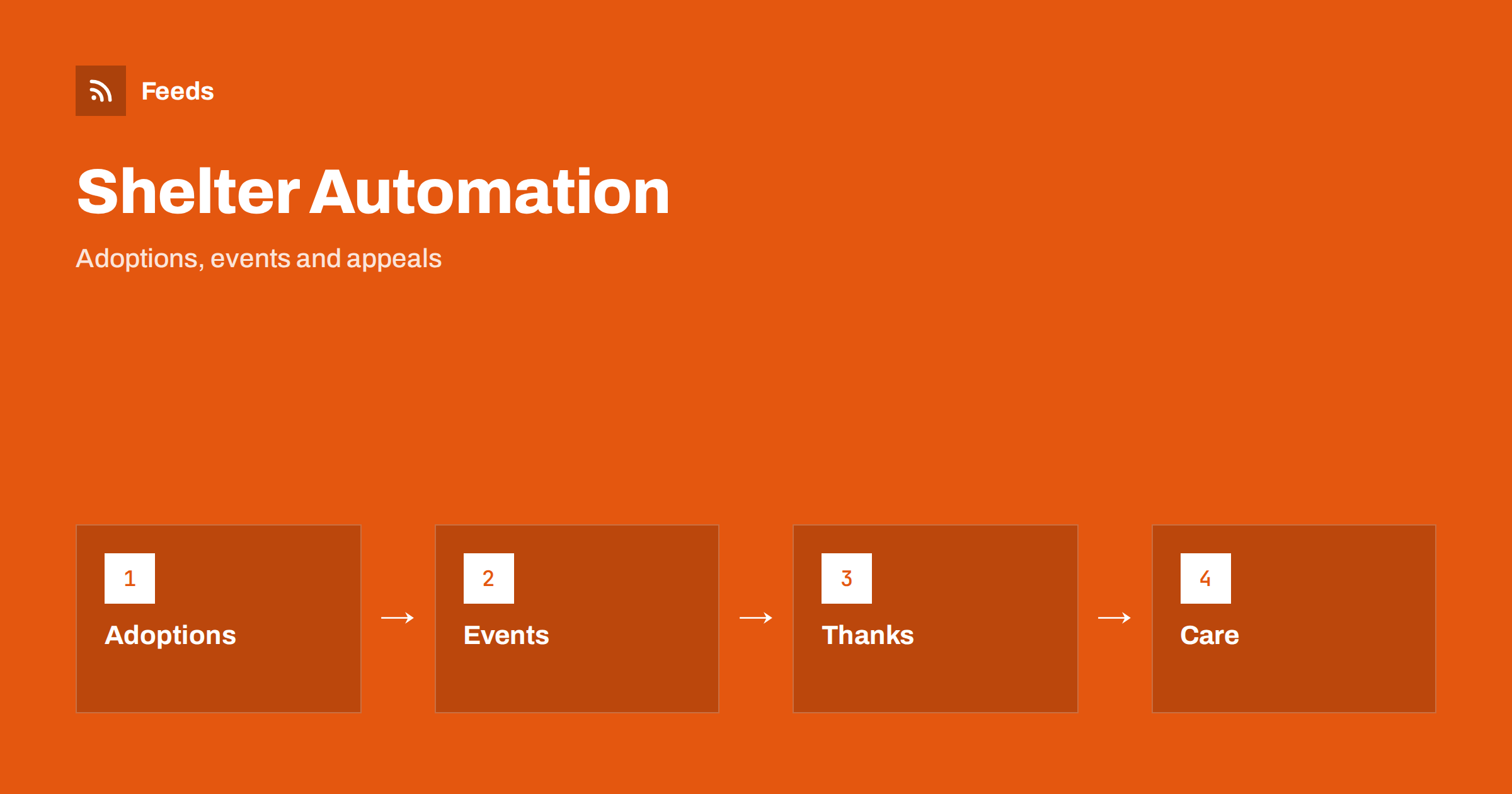
Short answer: Animal shelters and rescue groups run on volunteers, so time for posting is short, yet visibility is what finds animals a home. Prepare a rhythm of adoption profiles, event announcements, care tips and thank-yous, schedule them, and collect local news with RSS. Keep urgent appeals, sad news and any message about a specific animal’s health or a person’s identity in human hands.
Photographs make a large difference. A clear, bright picture taken at the animal’s eye level, with a calm background, is better than a dark photo in a cage. Ask a volunteer with a good phone to take pictures once a week, and store them in a shared folder. Good images are the single best investment in an adoption page.
Why visibility decides outcomes
A shelter’s most important message is simple: here is an animal who needs a home. People who see an appealing profile at the right moment may come and meet the animal. A rescue with a silent page rarely reaches new adopters, donors or volunteers. Regular posts show that the group is active and trustworthy.
The challenge is capacity. Staff and volunteers care for animals first, and posting comes last. Automation helps by moving some of the writing to quiet moments and by sending posts at good times. If you are new to the idea, what is content automation explains the basics, and content automation for nonprofits shows a general plan for charities.
Update each profile every few weeks. Animals change after settling in, and a shy dog may become playful after a month. New photos and new details show that the animal is still waiting and often bring a new wave of interest. Mention how long the animal has been with you, if the length of stay is part of the story.
Adoption profiles that people read
A good profile has a clear photo, the name, the age, the size and a few lines about personality, needs and ideal home. Be honest. If a dog needs an experienced owner or a cat does not get along with other cats, say so. Honest profiles lead to better matches and fewer returns.
Prepare a short template: who is this animal, what do they like, what do they need and how to meet them. Add the contact details and the adoption steps. Schedule profile posts across the week and repeat them every few weeks until the animal is adopted. Remove the post at once when the animal finds a home, and replace it with a happy-ending story if the adopters agree.
Keep information accurate and current
The biggest risk of automated posting in a shelter is outdated information. An animal that has been adopted but is still advertised disappoints visitors and wastes volunteers’ time. Keep one source of truth, such as the adoption list on your website, and make posts link to it. Check the list daily and update it as soon as a status changes.
If your website lists animals, it may create a feed, and new profiles can be posted automatically. A review step before posting keeps errors out, as described in full auto vs approval queue. Also keep a short rule: when in doubt, pause the post. A crisis plan for pausing automated posting explains how to stop everything quickly.
Plan around the calendar of the year. Holiday seasons, summer travel and the start of school change who is able to adopt and who needs to give up an animal. Prepare posts about responsible holiday care and about fostering for people who travel, and schedule them before the busy periods begin.
Events, open days and fundraisers
Adoption days, fundraisers, dog walks, talks and volunteer training sessions follow a calendar. Prepare posts for each event: an announcement, a reminder a few days before, a last call on the day and a thank-you after. Include date, place, time, cost and how to take part. Use the same image style for events so followers recognise them.
If you keep events in a calendar, the calendar can feed your posts. Event calendar RSS feeds and promote your event calendar automatically describe the method. After an event, share a summary with numbers and photos, with permission from the people shown, to thank supporters and encourage the next visit.
Add posts about neutering, microchipping and responsible ownership, which are central to the work of many shelters. Use plain words and avoid blame. People respond better to helpful advice than to scolding, and a calm tone encourages them to contact you before a problem becomes serious.
Care tips and education
Many people who adopt for the first time need advice: how to introduce a new cat, what a dog needs in the first week, how to prevent boredom and what vaccinations and checks are usual. Short posts on these subjects help new owners and show your expertise. Reuse them every season with small updates.
Check facts with a vet or a qualified behaviourist, and avoid advice that could harm an animal. Link to trusted sources for medical information. Content automation for veterinary and pet services and follow pet care and animal industry news with RSS list useful sources.
Report back on how donations were used, in general terms: food for a month, vaccinations for a litter, repairs to a kennel. People give again when they see results. Use real numbers only when they are accurate and approved by the person responsible for the accounts.
Thank-yous for volunteers and donors
Gratitude keeps a community together. Regular posts that thank volunteers, foster carers, donors and local businesses make people feel seen. Ask permission before naming a person or showing their face. Some supporters prefer to stay private, and some fosters have good reasons not to share their location.
Do not publish addresses, phone numbers of private people or details that could allow someone to find a foster home. Keep thank-you posts general when in doubt. A warm, short message works better than a long one. If a donation is large, call the donor and ask how they would like to be thanked.
Make a short list of people who can approve or stop posts, and share their phone numbers with every volunteer who has access. If a mistake appears on your page at the weekend, anyone should know who to call. Clear responsibility keeps a small team calm in a crisis.
Urgent appeals and sensitive news
Some messages need a human decision: an emergency appeal for an injured animal, a cruelty case, a disease outbreak, a closed shelter day or the loss of an animal in your care. Write these by hand, at the time, with care for staff and volunteers. Automated posts must not appear at the wrong moment, so pause the schedule when such news breaks.
Avoid graphic images and details of cruelty. Followers can be moved without being shocked, and some platforms limit or hide such posts. State clearly what help is needed and how to give it, and update the post when the need has been met. Nothing damages trust like an appeal that stays online after the problem is solved.
Create a simple process for lost and found posts. They need quick, accurate information, a clear photo and a contact point, and they should be removed when the animal is reunited. This is work for a person, not for a schedule, but a feed of local alerts can tell your team about notices as soon as they appear.
Local news, lost and found, and partners
Your area produces news that matters to a shelter: changes in local rules on animals, council notices, vet clinic announcements, lost pet alerts and events by other groups. Follow these with RSS and share the relevant items with a short comment. Local news monitoring with RSS shows how to set up a small set of sources.
Build relationships with vets, pet shops, dog trainers and local media. Tell them when you publish something that concerns them, and share their useful posts. A network of local partners spreads your message further than any automation.
How RSS Feed Creator helps
RSS Feed Creator turns council, vet clinic and local news pages into clean RSS feeds, even when the site has no feed of its own. It reads titles, images, summaries and dates, uses an existing feed when there is one, and shows a preview of the items before the feed is created. Keyword filters keep only the items that contain your words, and the paid add-on lets you merge up to 10 sources into one feed with duplicates removed automatically, which suits a feed of local animal news and events worth sharing. Feeds refresh every 3 hours on the free plan and every 30 minutes on paid plans. The free plan allows up to 20 items per feed, and the details are on the pricing page.
Related reading
- Content Automation for Nonprofits and Community Groups
- Content Automation for Veterinary Clinics and Pet Services
- How to Promote Upcoming Events Automatically from a Calendar
The bottom line
Shelters and rescues can schedule adoption profiles, events, care tips and thank-yous, and use RSS to follow local news. Keep information current, protect people’s privacy and write urgent and sensitive posts by hand.
FAQ
How often should a shelter post?
Three to five posts a week is plenty, with adoption profiles making up most of them.
What happens when an animal is adopted?
Remove or replace the scheduled posts at once and, if the adopters agree, share a happy ending.
Which posts should never be automated?
Emergency appeals, sad news, safeguarding issues and anything about a private person’s location or identity.
Can I share photos of volunteers?
Only with permission, and avoid details that show where a foster carer lives.
Where do I find local news to share?
On council, vet clinic and local newspaper pages, which can be turned into feeds if they do not have one.