 ENEnglish
 LTLietuviškai
 DEDeutsch
 FRFrançais
 RUРусский
 ESEspañol
 PLPolski
 ITItaliano
 UKУкраїнська
 CSČeština
 PTPortuguês
 JA日本語
 LVLatviešu valoda
 ETEesti
 HUMagyar
 IDBahasa Indonesia
 TRTürkçe
 HIहिन्दी
 ELΕλληνικά
 ARالعربية
 THไทย
 VITiếng Việt
 RORomână
 MSBahasa Melayu
 BNবাংলা
#Self-hosting
Self-hosting means running software on a server you control instead of using a service hosted by someone else. For feeds and reading tools, that can be a virtual server, a home server, a NAS or a container platform. The main benefits are ownership of data, privacy and freedom from plan limits set by a provider. The costs are maintenance work such as updates, backups, HTTPS certificates and monitoring. Articles under this tag explain which tools can be self-hosted, what they need to run and how to decide whether self-hosting is worth the effort.
 18 oct. 2026 · 8 min de lecture
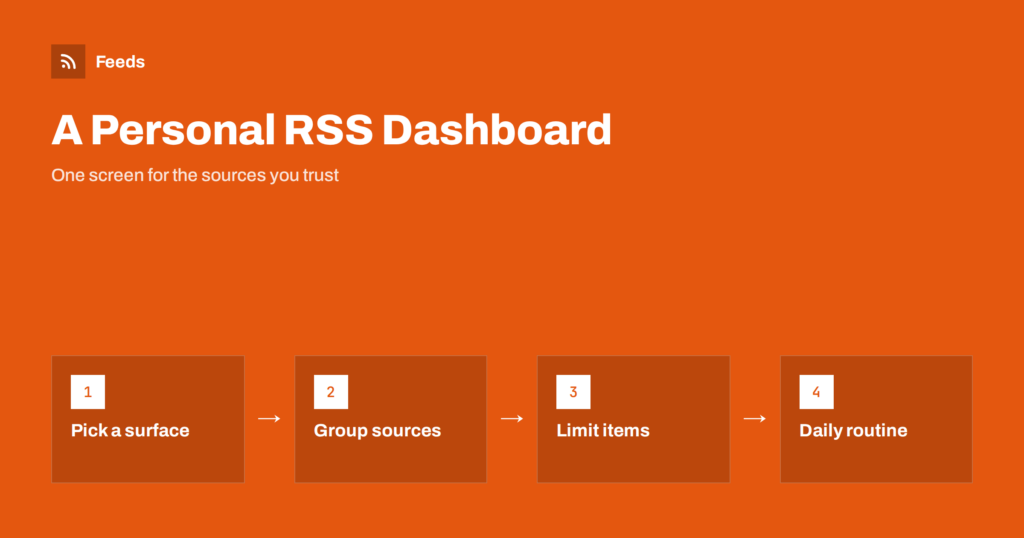
Build a Personal RSS Dashboard: Start Pages and Widgets
How to build a personal RSS dashboard on a browser start page, a phone home screen or a small self-hosted page, with folders, limits…
 17 oct. 2026 · 8 min de lecture
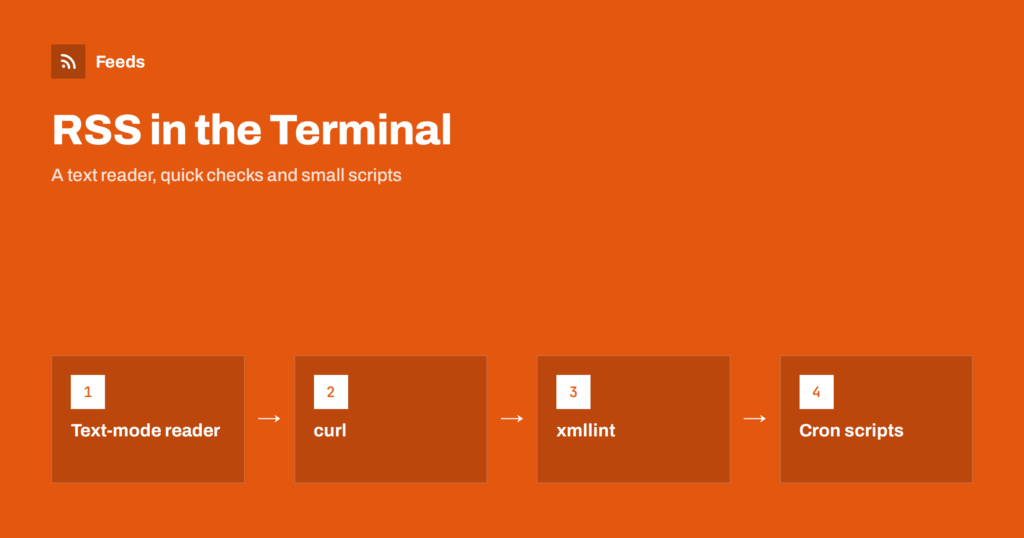
Reading RSS Feeds in the Terminal: newsboat, curl and Scripts
How to read and check RSS feeds from the command line: a text-mode reader such as newsboat, curl and xmllint for quick checks, and…
 16 oct. 2026 · 8 min de lecture
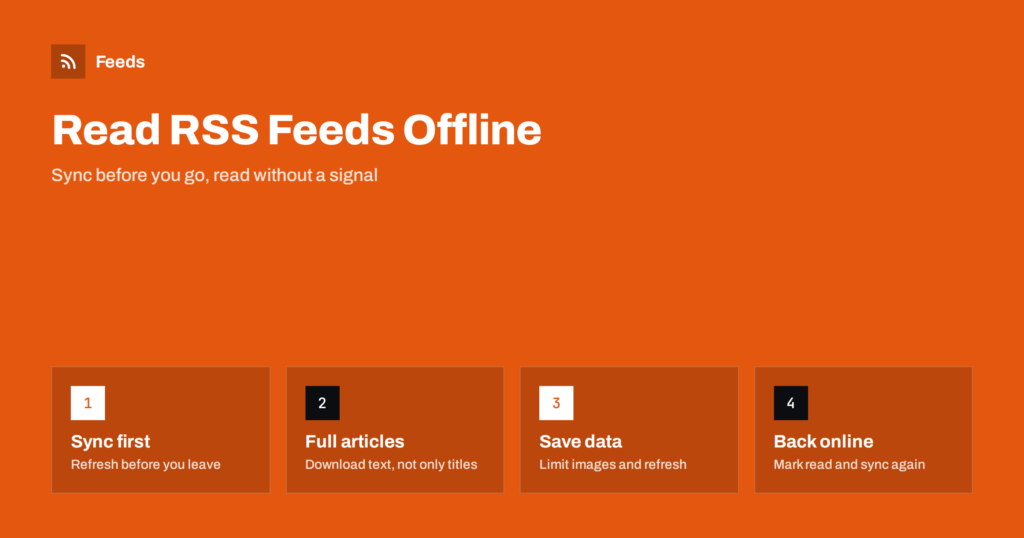
Reading RSS Feeds Offline and While Travelling
How to keep reading your RSS feeds on a plane, on a train or abroad: readers that sync for offline use, downloading full articles,…
 14 oct. 2026 · 8 min de lecture
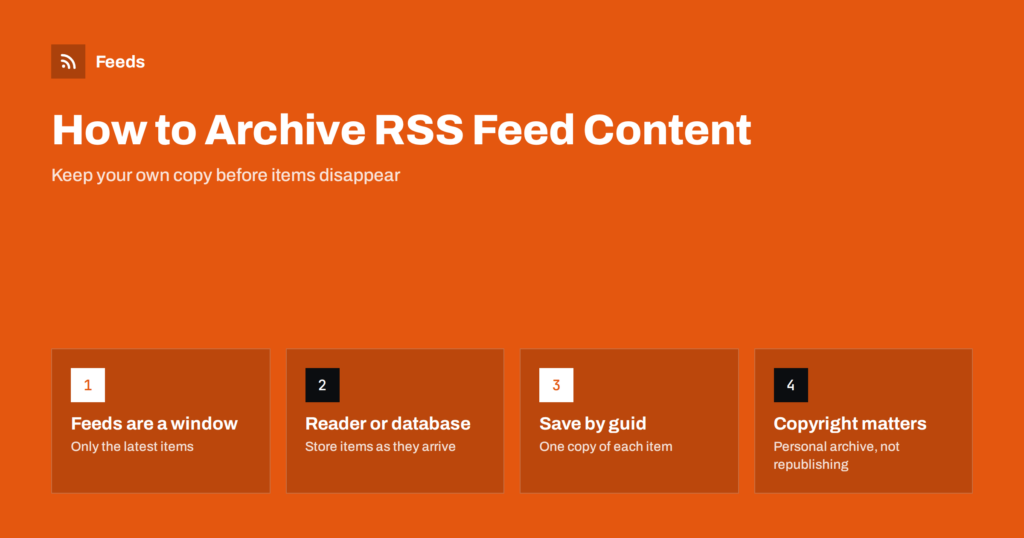
How to Archive RSS Feed Content and Keep Your Own Copy
Feeds only show recent items, so older posts vanish. Learn how to archive RSS feed content with readers, sheets, databases or scripts, and how…
 1 oct. 2026 · 9 min de lecture
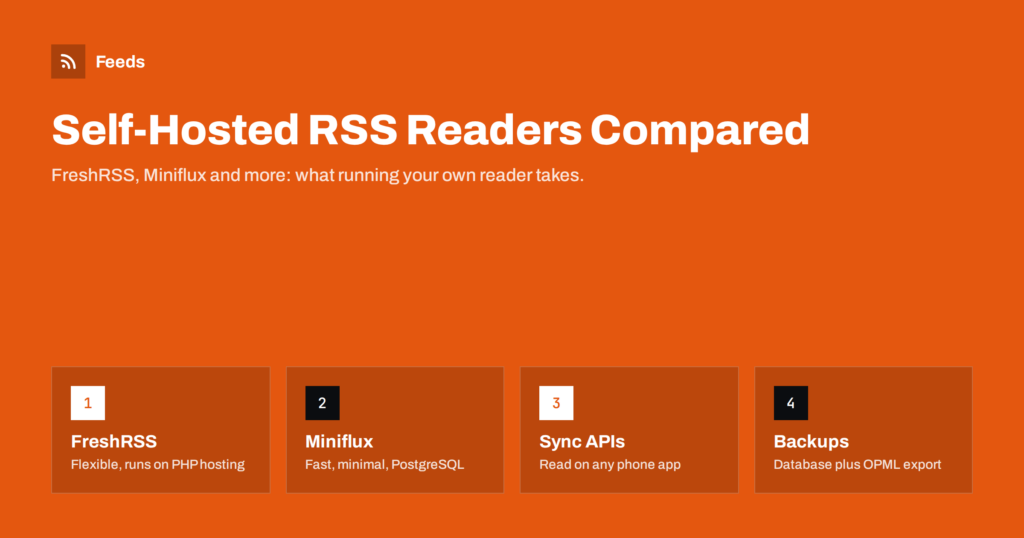
Self-Hosted RSS Readers: FreshRSS, Miniflux and More
Self-hosted RSS readers compared: FreshRSS, Miniflux and other options, what hosting them takes, mobile app sync and how to decide if it is worth…